Top-Dressing Triage: Gravel, Perlite or Bare Compost for Shed-Bound Cuttings?
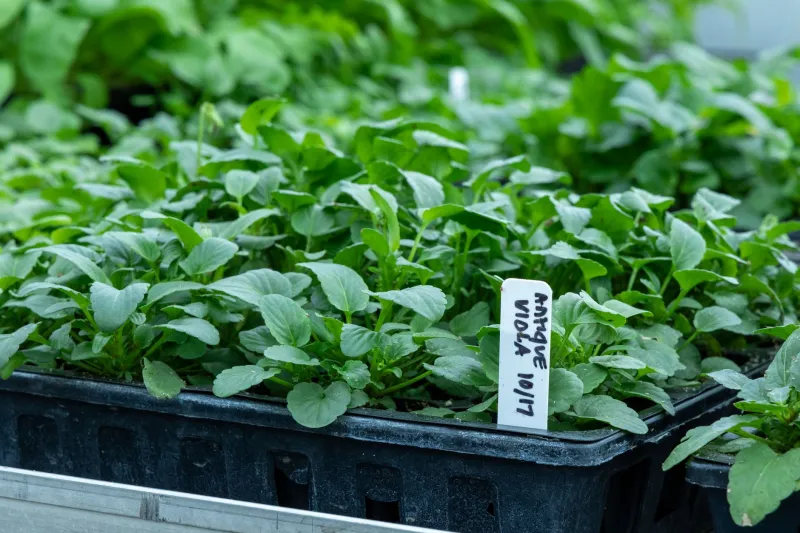
November in an unheated shed is a lesson in slow physics. The air is cold, the compost is colder, and every surface seems to stay wet for a fortnight. That is the backdrop for the grit-on-top question: does a gravel mulch actually rescue winter cuttings from rot, or is it just a tidy hat on a soggy problem?
I ran a side-by-side last winter with three surface treatments and a batch of hardwood cuttings from easy, reliable shrubs: Cornus alba, Buddleja davidii and Ribes sanguineum. The aim was not to crown a champion from one season, but to see whether the surface layer changed the stuff that matters: rooting, rot and fungus gnats.
The setup
Forty-five cuttings, fifteen per treatment. Each was a nodal stem cutting about 15 cm long, trimmed just below a node, dipped in water and then in a little rooting powder. They went into 9 cm pots of the same peat-free multipurpose compost mixed with 20 per cent perlite. The pots stood in a cold shed with a north-facing window, no bottom heat, and a min-max thermometer. Temperatures ran from 2C to 11C, which is realistic for a UK shed in November.
The three surfaces were:
- bare compost, firmed and left alone
- a 1 cm layer of horticultural grit
- a 1 cm layer of coarse perlite
I watered only when the compost below the surface felt dry at knuckle depth. Every pot was checked twice a week for grey mould, blackened stems, and the telltale little flies of fungus gnats. At eight weeks I gave each cutting a gentle tug. Resistance meant roots; a soft, hollow stem meant rot.
What the surface actually does
A top-dressing is not just decoration. It changes the microclimate at the compost surface. Gravel and perlite both reduce light reaching the damp organic surface, which can slow algal growth and make the top less attractive to fungus gnats looking for a place to lay eggs. They also hold a layer of still, humid air right at the stem base, which sounds helpful until you remember that botrytis and other rots like still, humid air too.
The difference is in how they behave when wet. Gravel is heavy and stable. It does not float, and it keeps the surface open. Perlite is lighter and more porous; it wicks water and dries quickly, but it can be messy and tends to migrate when you water. Bare compost is the easiest to inspect, but it is also the easiest surface for gnats to reach.
The results
At eight weeks, the bare pots had the most surface mould: five of fifteen showed a fuzzy grey film around the stem. The grit pots had two, and the perlite pots had three. That looks like a win for grit, but the mould was mostly superficial. The real damage was lower down.
Rooting was close. Grit produced nine rooted cuttings out of fifteen, perlite eight, and bare compost seven. The differences are small enough that I would not bet the shed on them. What was clearer was the pattern of failure. In the bare pots, failures were usually wet collapses at the stem base. In the grit pots, failures were more often stems that had callused but never pushed roots, sitting in compost that stayed too cool and too damp beneath the gravel. Perlite sat in the middle.
Fungus gnats were the most decisive result. Bare compost attracted the most adults, and I found larvae in four pots. Grit had adults on the surface but fewer larvae in the compost. Perlite had the fewest adults, probably because the surface dried so quickly. None of the treatments was gnat-proof. A top-dressing is a deterrent, not a force field.
The practical verdict
Would I bother again? Yes, but with lower expectations. A gravel or perlite top-dressing is worth using when you have cuttings in a cold, damp shed and you cannot keep the surface dry. It buys you a little insurance against surface mould and makes the pots look less like a science experiment. It does not replace the basics: sharp drainage, clean pots, cuttings taken from healthy wood, and a watering hand that errs on the dry side.
For UK gardeners, the sensible takeaway is this. If your shed runs damp and the compost surface stays wet for days, a 1 cm layer of grit is a cheap, stable option. Perlite is a good alternative if you want something lighter and you are happy to water more carefully. Bare compost is fine if you can ventilate well and check pots often. The top-dressing is a small nudge, not a rescue package. The cutting still has to do the hard work.
Next time I would add one more treatment: a thin layer of grit over a compost surface that has been allowed to dry for a day before the cuttings go in. That might separate the benefit of the mulch from the benefit of a drier start. For now, the grit-on-top gamble is worth a small stake, not the whole packet.