One Leaf, Six Houseplants: A Winter Windowsill League Table

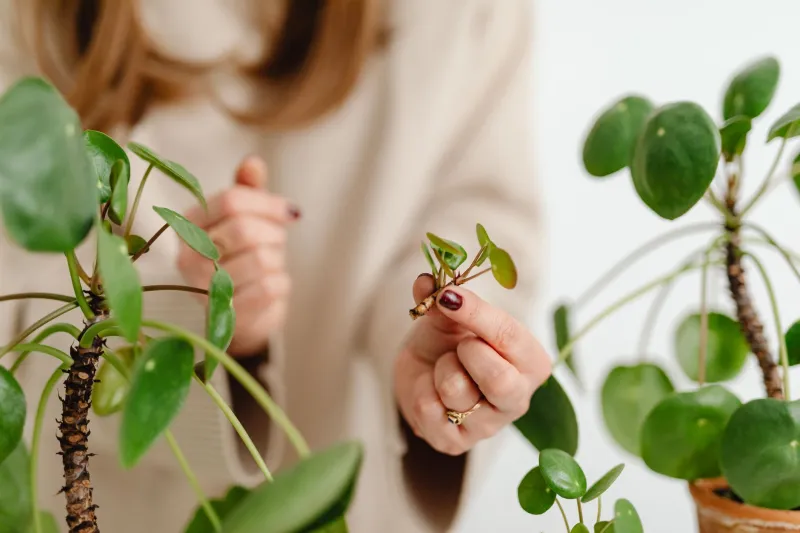
Photo: African violet leaf cuttings plantlets on windowsill, via i.pinimg.com
Leaf cuttings have a seductive simplicity. You take one leaf, press it into compost, wait, and a tiny new plant appears. Sometimes that is exactly what happens. Sometimes the leaf sits there for six weeks and then turns to brown mush. The difference is not magic, and it is not simply green fingers. It is plant tissue, polarity, light and a fair bit of luck.
This winter I am running a windowsill league table for six common UK houseplants. The rules are deliberately ordinary: one leaf per cutting, a east-facing windowsill, room temperature around 18-21°C, no grow light, no heated propagator. The kind of setup most of us actually have in November. The question is where to spend your effort when the light is low and the windowsill is already crowded.
How the test works
Each species gets four leaf cuttings. Where the plant allows it, I take a leaf with a short petiole and insert the base into a 50:50 mix of perlite and coir. Snake plant and ZZ plant leaves are cut into sections, because that is the practical method. Pothos is the awkward one: a leaf alone will root, but it will not usually produce a new shoot without a node. That distinction matters more than most online tutorials admit.
Everything sits in a clear plastic bag for humidity, opened daily for air. I check weekly for roots, plantlets, rot and general collapse. The scoring is blunt: high odds mean you should expect success with reasonable care; low odds mean you are gambling.
The league table
| Houseplant | Method | Winter odds | What actually happens |
|---|---|---|---|
| African violet | Leaf with petiole, base just touching compost | High | Small plantlets form at the base in roughly 4-8 weeks |
| Begonia | Whole leaf laid flat, or leaf wedge with cuts | High | Plantlets along veins or cut edges, often within 6-10 weeks |
| Peperomia | Leaf with petiole, lightly inserted | Moderate to high | Plantlets from the base, slow but reliable in warmth |
| Pothos | Leaf with node, not leaf alone | Moderate | Roots easily, but a bare leaf is blind and will not shoot |
| Snake plant | Leaf section, correct way up | Moderate but slow | Roots and new shoots in 6-12 weeks or more; variegation may be lost |
| ZZ plant | Single leaflet with petiole | Low to moderate | Can root, but often takes months and tests your patience |
The science behind the gamble
A leaf is not a seed. It does not contain a ready-made embryo waiting to sprout. For a leaf cutting to become a new plant, cells near the cut end or along the veins must dedifferentiate, form a meristem-like growing point and then produce both roots and shoots. Some plants are good at this. African violet and begonia are almost embarrassingly good at it. Others, like ZZ plant, can do it but take their time.
Polarity is the quiet rule that catches people out. A snake plant section has a top and a bottom. Put it in upside down and you may get roots from the wrong end, or nothing useful at all. Keep the cutting the same way up it was growing. With begonia leaves, cuts across the veins encourage new plantlets at the wound sites. With African violet, the petiole is the launch pad.
Variegation adds another layer. A variegated snake plant may produce plain green plantlets, because the variegated tissue is a chimera and not every cell carries the pale sectors. If you want to keep the pattern, you are often better off dividing or using offsets than gambling on a leaf.
Low winter light slows all of this down. It does not always stop it, but it reduces the energy available for new growth. A windowsill that would be fine in May can be marginal in November. That is why the league table is about odds, not promises.
The method that limits mush
Most leaf cuttings fail because of water, not because of some mysterious inability to root. A few practical rules make a real difference.
Use a sharp, clean blade. A crushed cut is an invitation to rot. Insert the cut end just into the mix, not buried deep. Keep the compost lightly moist, never sodden. A clear bag helps humidity, but open it daily and pour out condensation. If the leaf goes soft and translucent, remove it before it spreads mould to the rest.
Bottom heat is optional for the easy species, but it helps with peperomia, snake plant and ZZ plant. A modest 20-22°C root zone is plenty. Direct winter sun is not necessary and can cook a bagged cutting on a bright sill. East or north light is safer.
Where to spend your effort
If you want the thrill of seeing a new plant appear from one leaf, start with African violet and begonia. They are the reliable performers, and they forgive a bit of neglect. Peperomia is a good second step. Pothos is easy only if you include a node; a leaf alone is a rooting exercise, not a propagation method. Snake plant and ZZ plant are long games. They are worth trying if you enjoy the process, but do not judge your skills by their speed.
My honest advice for a dim UK windowsill in late 2026: choose two easy species, keep the cuttings ventilated, and ignore the temptation to overwater. The single-leaf gamble is not really a gamble when you pick the right leaf.