The Cheap LED vs the Cold Sill: A November Cutting Trial for Dim UK Rooms
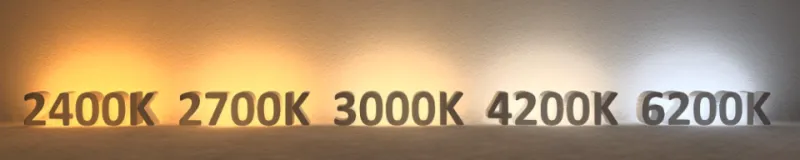
Photo: Flexfire LEDs, inc., Brenton Patrick Mauriello, CC BY-SA 4.0, via Wikimedia Commons
November in the UK is a test of optimism. The windowsill that looked generous in June is now a queue of overwintering pelargoniums, a tired basil and a mug. So when I wanted to root a few semi-ripe cuttings in 2026, I did what any curious gardener does: I cleared a shelf, bought a £15 LED strip and set up a side-by-side trial.
The question was simple. Can a cheap white LED strip beat the brightest cool windowsill in a dark room? Not in a laboratory—on a spare-room shelf, with a timer, a cheap lux meter and three plants that UK gardeners actually propagate in November.
The setup
I used a 15W white LED strip and ran it for 12 hours a day on a plug-in timer. The strip sat about 15cm above the pot tops. The comparison windowsill was east-facing, bright but cool, with single glazing and a radiator that comes on for two hours in the morning. Both treatments got the same 7cm pots, the same peat-free multipurpose compost mixed 50:50 with perlite, and the same ventilated propagator lids. I kept the vents half open after the first week to reduce mould risk.
The cuttings were rosemary, ivy and fuchsia—three semi-ripe subjects with different habits. Rosemary is woody and slow. Ivy is forgiving and quick. Fuchsia sits in the middle but hates cold, wet feet. I took three cuttings per plant per treatment, nine in each group, all from healthy stock on the same afternoon. Rosemary cuttings were 8cm side shoots with the lower leaves removed. Ivy cuttings had three nodes. Fuchsia cuttings were 6cm tip cuttings with two pairs of leaves left on.
Light and temperature
A cheap lux meter is not a PAR sensor, but it is good enough for a rough comparison. On three overcast days, the windowsill read 3,000–4,000 lux at midday. On one sunny morning it hit 7,000 lux. The LED shelf read 10,000–12,000 lux at the centre and about 8,000 lux at the tray edges.
Lux-hours tell a more useful story. The windowsill received useful light for perhaps six hours on a decent day, so roughly 24,000 lux-hours. The LED delivered 12 hours at around 10,000 lux, so about 120,000 lux-hours. That is a big difference, but light is only half the experiment.
The windowsill was cool: 14–16°C by day and 10–12°C at night. The LED shelf stayed at 19–21°C. That extra warmth matters for callus formation and root initiation, especially in fuchsia and rosemary. In other words, the LED was not just a light—it was a slightly warmer microclimate.
What happened
I checked the cuttings every three days by lifting the lid and looking, not tugging. Ivy was first to callus in both groups: around day 10 under the LED and day 12 on the windowsill. Fuchsia callused at day 13 under the LED and day 19 on the sill. Rosemary was slow, as expected: day 21 under the LED and day 30 on the windowsill.
Roots followed the same pattern. Ivy rooted at day 23 under the LED and day 30 on the sill. Fuchsia rooted at day 27 under the LED and day 38 on the sill. Rosemary rooted at day 45 under the LED, but only two of the three cuttings made it. On the windowsill, rosemary took 58 days and only one cutting rooted well; another rotted at the base.
Mould was the windowsill’s weak point. Two fuchsia cuttings and one rosemary cutting developed grey fuzz around the stem at about day 12. The cool, humid air under the lid was the likely culprit. The LED shelf had no mould, but I suspect that was partly because the warmer air and half-open vents kept the surface drier. Stretch was also obvious: windowsill fuchsia produced internodes of 3–4cm, while the LED cuttings stayed compact at around 1.5cm. The windowsill rosemary looked pale and drawn. None of the LED cuttings stretched meaningfully.
The electricity maths
A 15W strip running for 12 hours uses 0.18 kWh per day. At roughly 24.5p per kWh on my 2026 tariff, that is about 4.4p a day. Over eight weeks—56 days—the trial cost about £2.46 in electricity.
The LED group produced eight rooted cuttings from nine. The windowsill group produced five from nine. That works out at about 31p of electricity per rooted cutting under the LED, against about 49p on the windowsill. If you add the £15 purchase price and refuse to amortise it, the first LED batch costs £2.18 per rooted cutting. But the strip should last several seasons, and the electricity figure is the one that repeats.
What I would change
First, ventilation matters as much as light. A sealed lid on a cool windowsill is a mould incubator. Second, do not put the LED strip too high. At 30cm the readings dropped by half and the fuchsia began to reach. Third, rosemary is not a windowsill plant in November unless the sill is genuinely warm. It wants light and gentle bottom heat, or at least a mild room.
The cheap LED did not perform magic. It simply gave the cuttings more useful light and a warmer, drier air pocket. For a dark UK room with a full windowsill, that is enough to justify the £15. The ivy will root almost anywhere, but fuchsia and rosemary reward the extra help. A cool windowsill is not a free propagator; it is a slow, damp one.